/filters:format(jpeg,png)/fit-in/300x300/guide_websites/2112/images/1746512785564dive-6.png)
/filters:format(jpeg,png)/fit-in/237x80/guide_websites/2112/images/1746512785564dive-6.png)
//users/7bf13502-48d2-40e5-bd8b-3eecd22bbcf7/ratecard/pexels-photo-145939.jpeg)
%2Ffit-in%2F300x300%2Fusers%2F7bf13502-48d2-40e5-bd8b-3eecd22bbcf7%2Fratecard%2Fpexels-photo-145939.jpeg&w=256&q=75)
%2F300x300%2Fusers%2F7bf13502-48d2-40e5-bd8b-3eecd22bbcf7%2Fimages%2Foutdoor-adventure-florida-2927.jpg&w=256&q=75)
%2F300x300%2Fusers%2F7bf13502-48d2-40e5-bd8b-3eecd22bbcf7%2Fimages%2Fexhilarating-off-road-trip-fl-2949.jpg&w=256&q=75)
%2F300x300%2Fusers%2F7bf13502-48d2-40e5-bd8b-3eecd22bbcf7%2Fimages%2Fbest-outdoor-adventures-florida-2694.jpg&w=256&q=75)
%2F300x300%2Fusers%2F7bf13502-48d2-40e5-bd8b-3eecd22bbcf7%2Fimages%2Fbest-great-water-sports-florida-2744.jpg&w=256&q=75)
%2F300x300%2Fusers%2F7bf13502-48d2-40e5-bd8b-3eecd22bbcf7%2Fimages%2Fflorida-city-off-roading-excitement-3056.jpg&w=256&q=75)
%2F300x300%2Fusers%2F7bf13502-48d2-40e5-bd8b-3eecd22bbcf7%2Fimages%2Fbest-water-sports-florida-3026.jpg&w=256&q=75)
%2F300x300%2Fusers%2F7bf13502-48d2-40e5-bd8b-3eecd22bbcf7%2Fimages%2Fflorida-water-sports-adventure-2307.png&w=256&q=75)
%2F300x300%2Fusers%2F8178a49e-591b-4ce9-b128-54bebcecabe9%2Fimages%2Ffishing-florida-outdoor-fun-2559.png&w=256&q=75)
%2F300x300%2Fusers%2F8178a49e-591b-4ce9-b128-54bebcecabe9%2Fimages%2Fflorida-city-outdoor-activities-2259.png&w=256&q=75)
%2F300x300%2Fusers%2F8178a49e-591b-4ce9-b128-54bebcecabe9%2Fimages%2Fbest-outdoor-adventure-florida-city-2259.png&w=256&q=75)
Test Expert-Guided Hunting in Western NC & Upstate NY

 West Palm Beach, FL, United States
What you will be catching:
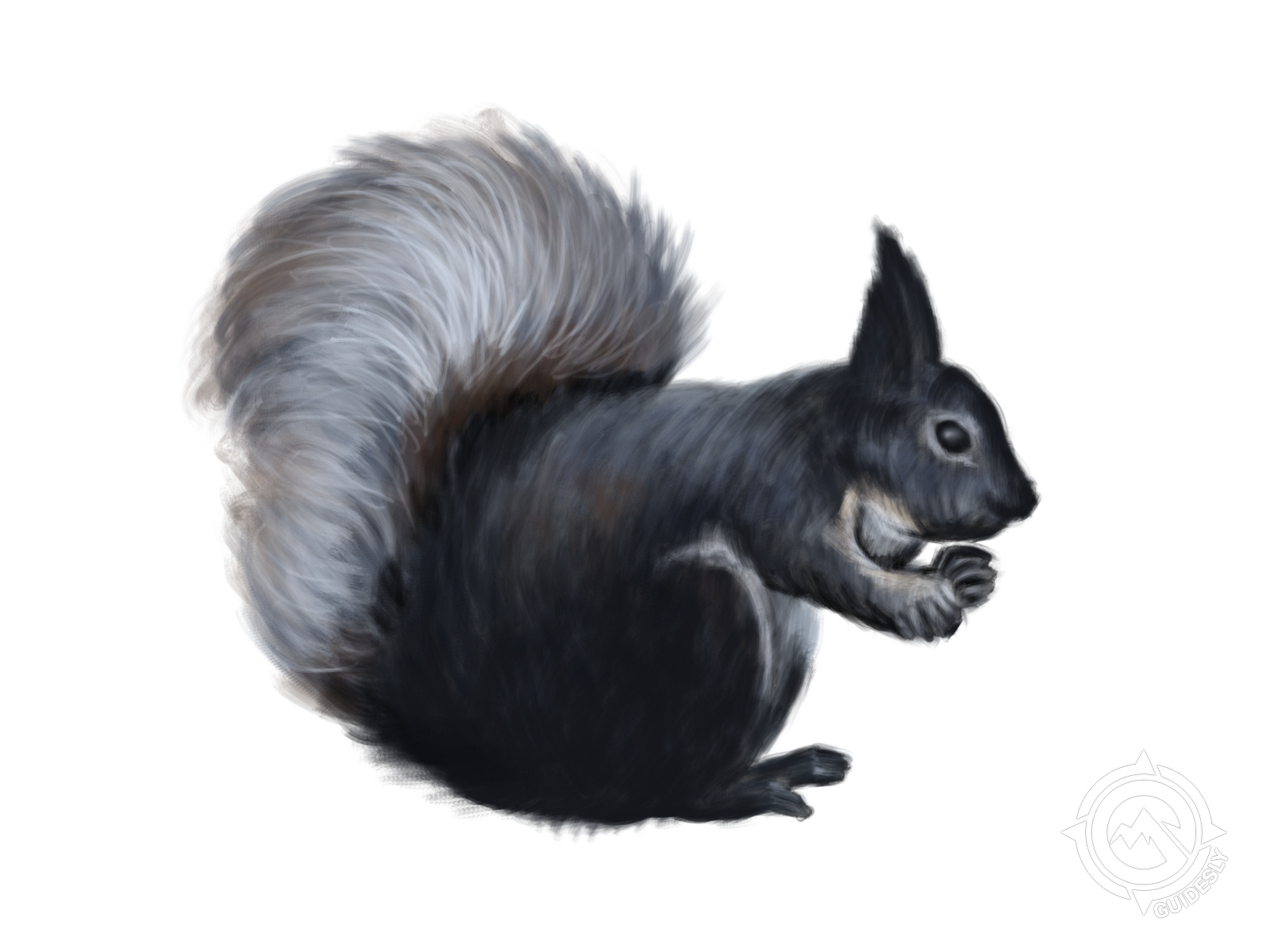 Abert's Squirrel
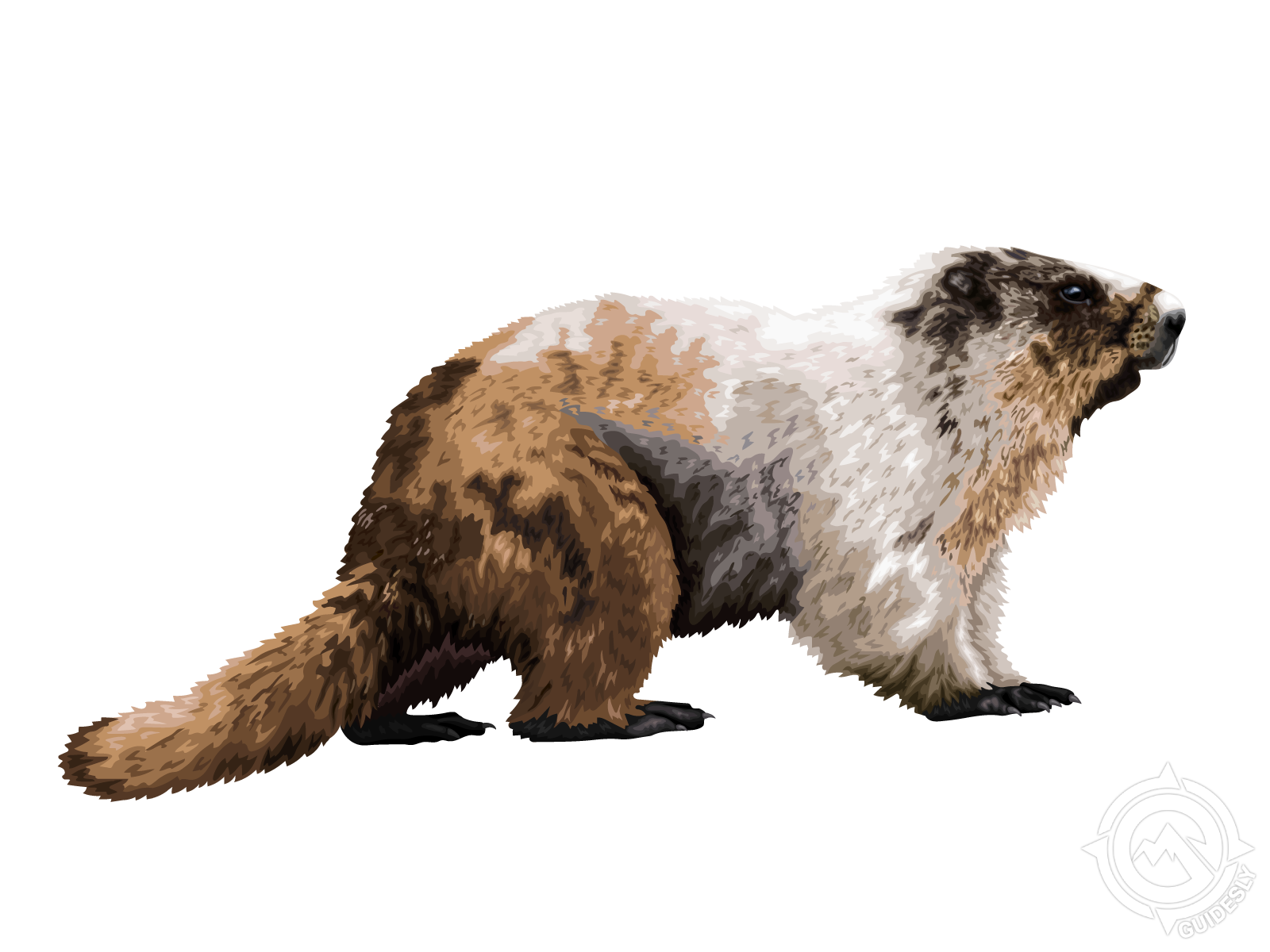 Alaska Marmot
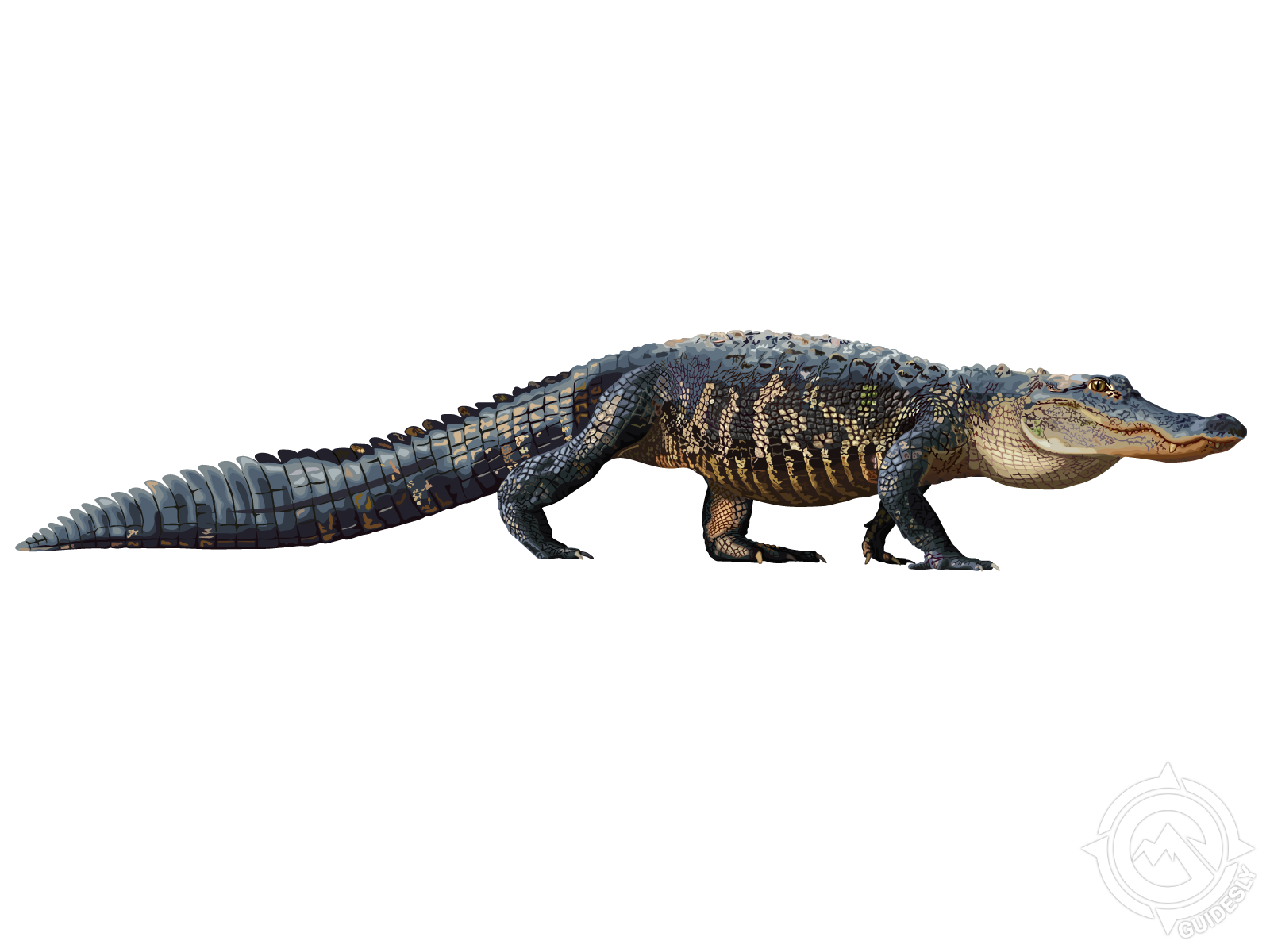 American Alligator
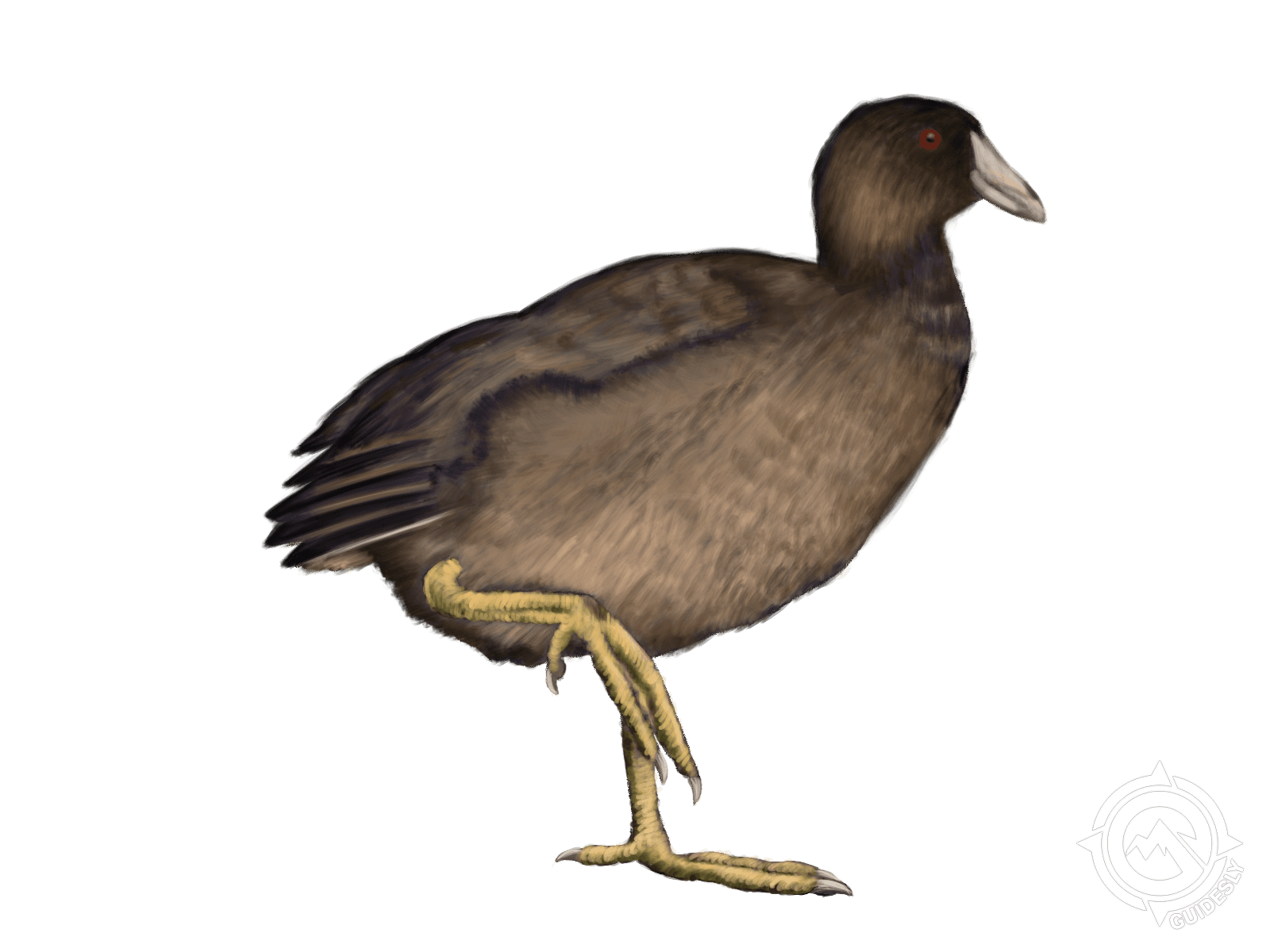
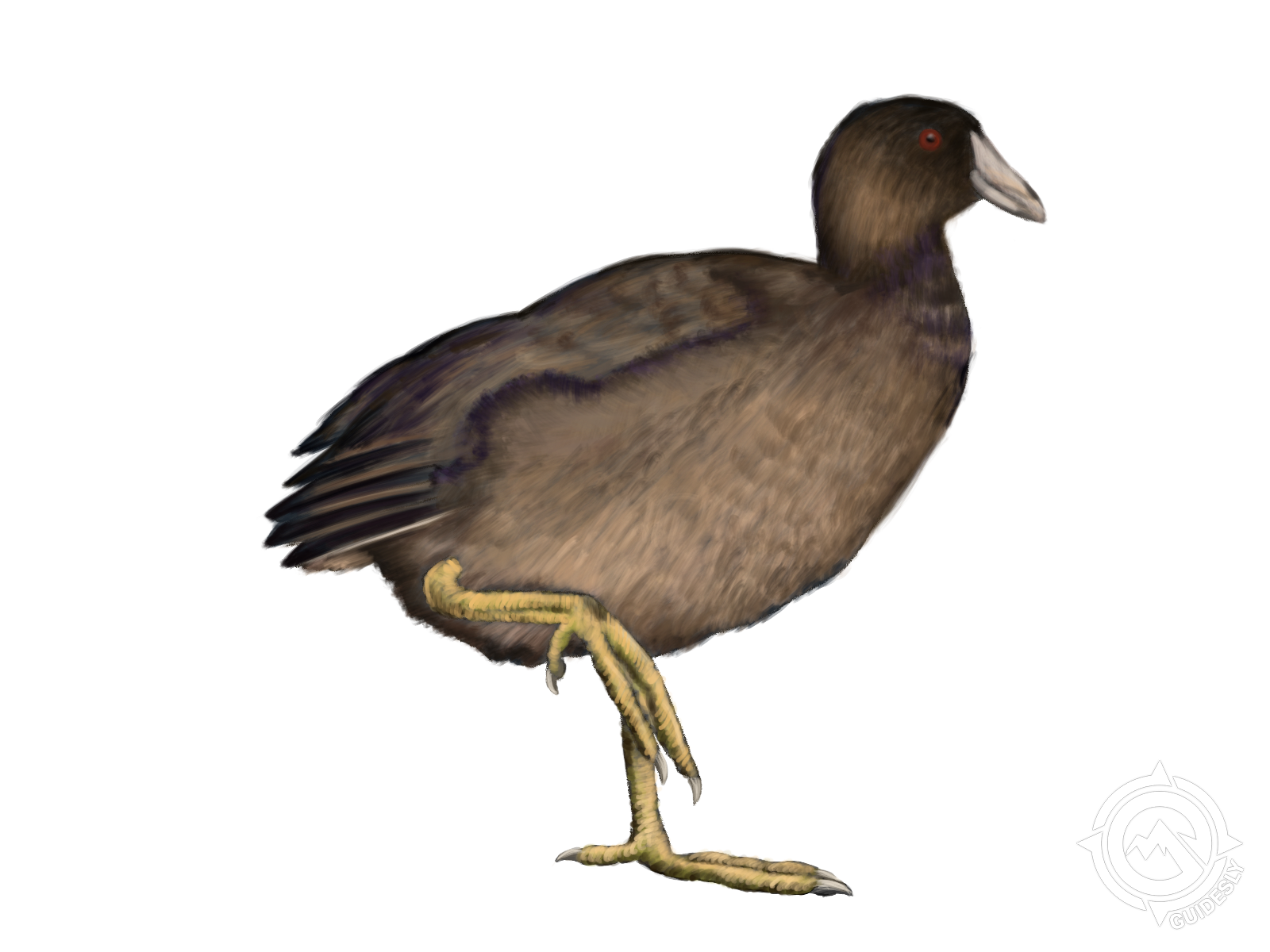 American Coot
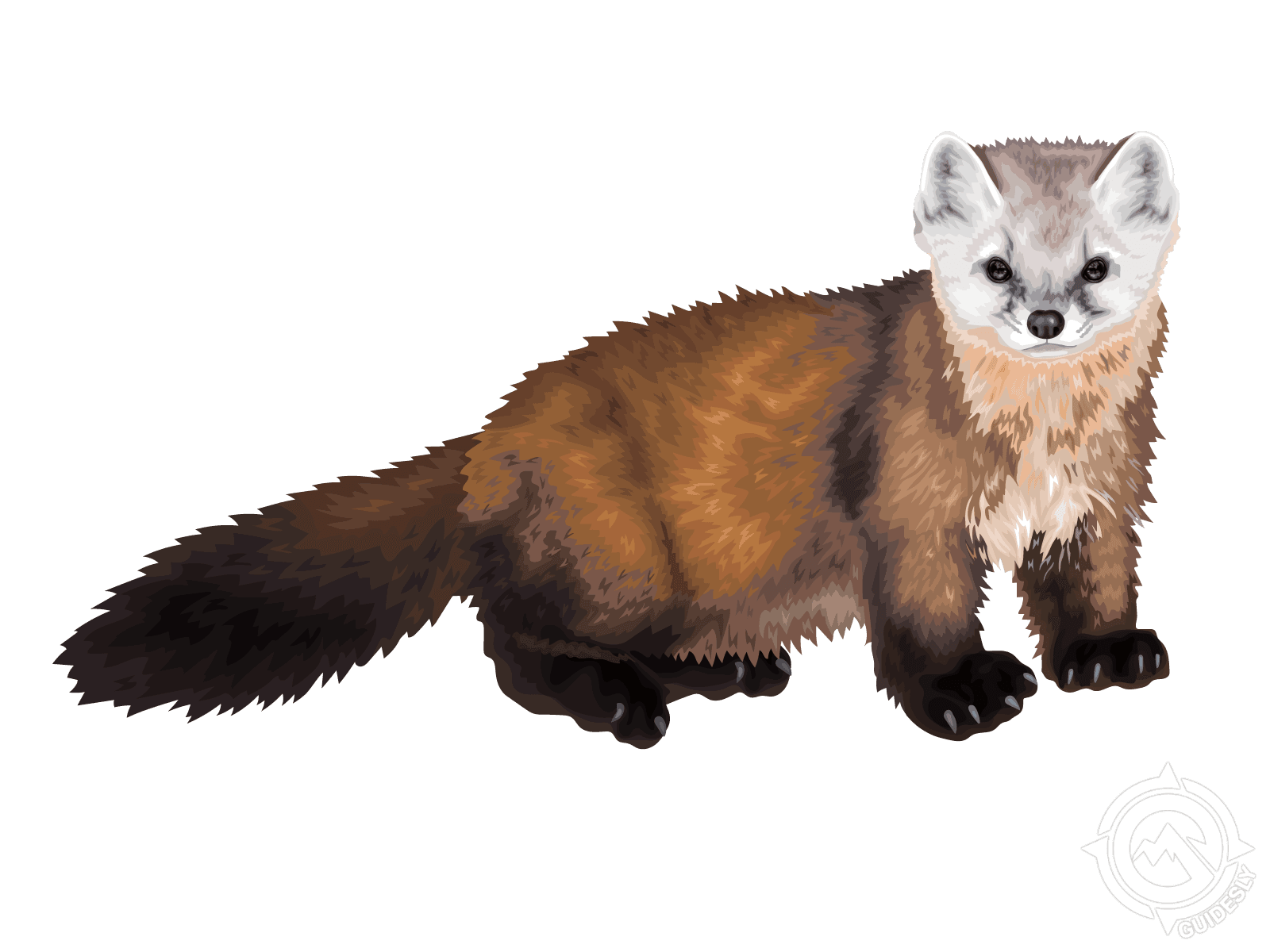
 American Marten
- Expert guide featured in Orvis News and American Angler Magazine
- Thousands of successful catches across multiple continents and regions
- One-on-one wild boar hunting with seasoned outdoor professional
Trip Pricing and Availabilities :
Backwoods Bonanza: Wild Boar Hunt in NC & NY
Ready for a wild ride through the untamed corners of Western North Carolina and upstate New York? Strap in, because John's got a hunting adventure that'll have you tracking some of the craftiest critters this side of the Appalachians. With generations of outdoor know-how coursing through his veins, John's not just a guide – he's a living, breathing encyclopedia of local hunting lore. From the misty hollers of NC to the legendary banks of the Beaverkill, you're in for a hunt that'll test your mettle and fill your trophy room.
Hunt Highlights
This ain't your average day in the woods, folks. We're talking about a double-barrel blast of hunting action across two iconic East Coast locations. In Western North Carolina, you'll be stalking through rhododendron thickets and over ancient mountain ridges, hot on the trail of wild boar that'd make even ol' Davy Crockett break a sweat. Then, we'll swap the mountain air for the crisp Catskill breeze along New York's Beaverkill River, where the hunting's as rich as the fly fishing history. John's got the inside track on both spots, so you'll be tapping into honey holes that most locals don't even know exist.
Tracking Tips & Terrain
Listen up, because this is where the rubber meets the road – or should I say, where the boot meets the backcountry. In NC, we're dealing with steep, rugged terrain that'll put your quads to the test. You'll need to move quiet as a shadow and keep your eyes peeled for fresh rootings and wallows. John's got a sixth sense for boar sign, and he'll teach you to read the forest like a book. Up in NY, we switch gears. The Beaverkill area's a mix of hardwood forests and rolling hills, perfect for stalking deer and smaller game. You'll learn to use wind direction to your advantage and how to spot the subtle movement that betrays a critter's presence. And let's not forget the gear – John's got you kitted out with top-notch rifles and scopes that'll make long-range shots feel like child's play.
Hunter Highlights
"Test review" - s
"Testing 2" - v
"Testing new review foe custom pages" - new
Target Game Breakdown
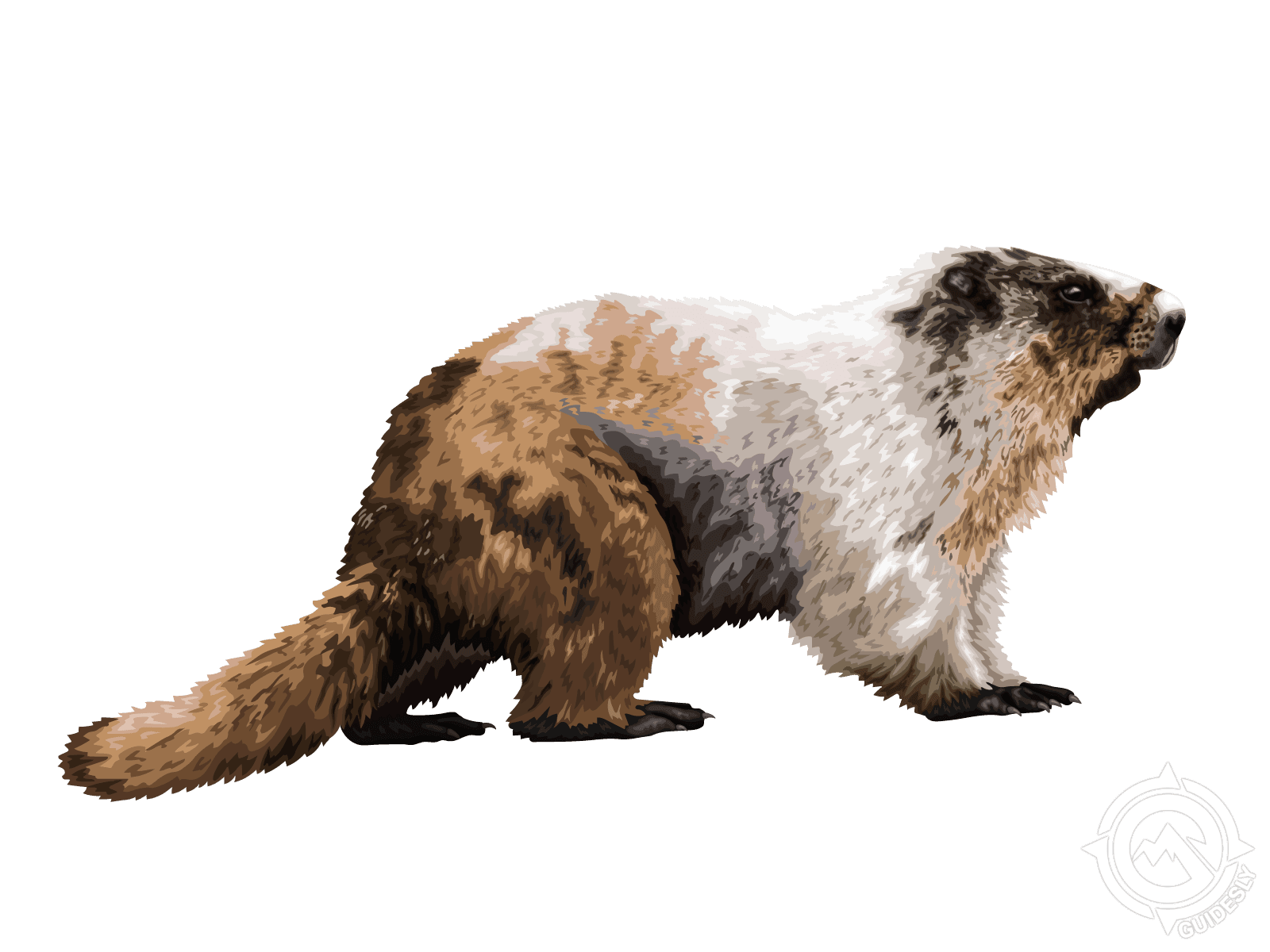
Alaska Marmot: Don't let the name fool you – these chunky ground squirrels have found their way to our neck of the woods, and they're a hoot to hunt. About the size of a hefty house cat, these whistling rock-dwellers are most active in the early morning and late afternoon. They're quick, so you'll need a sharp eye and a steady hand. Hunters love 'em for their challenging behavior and the chance to bag something truly unique.
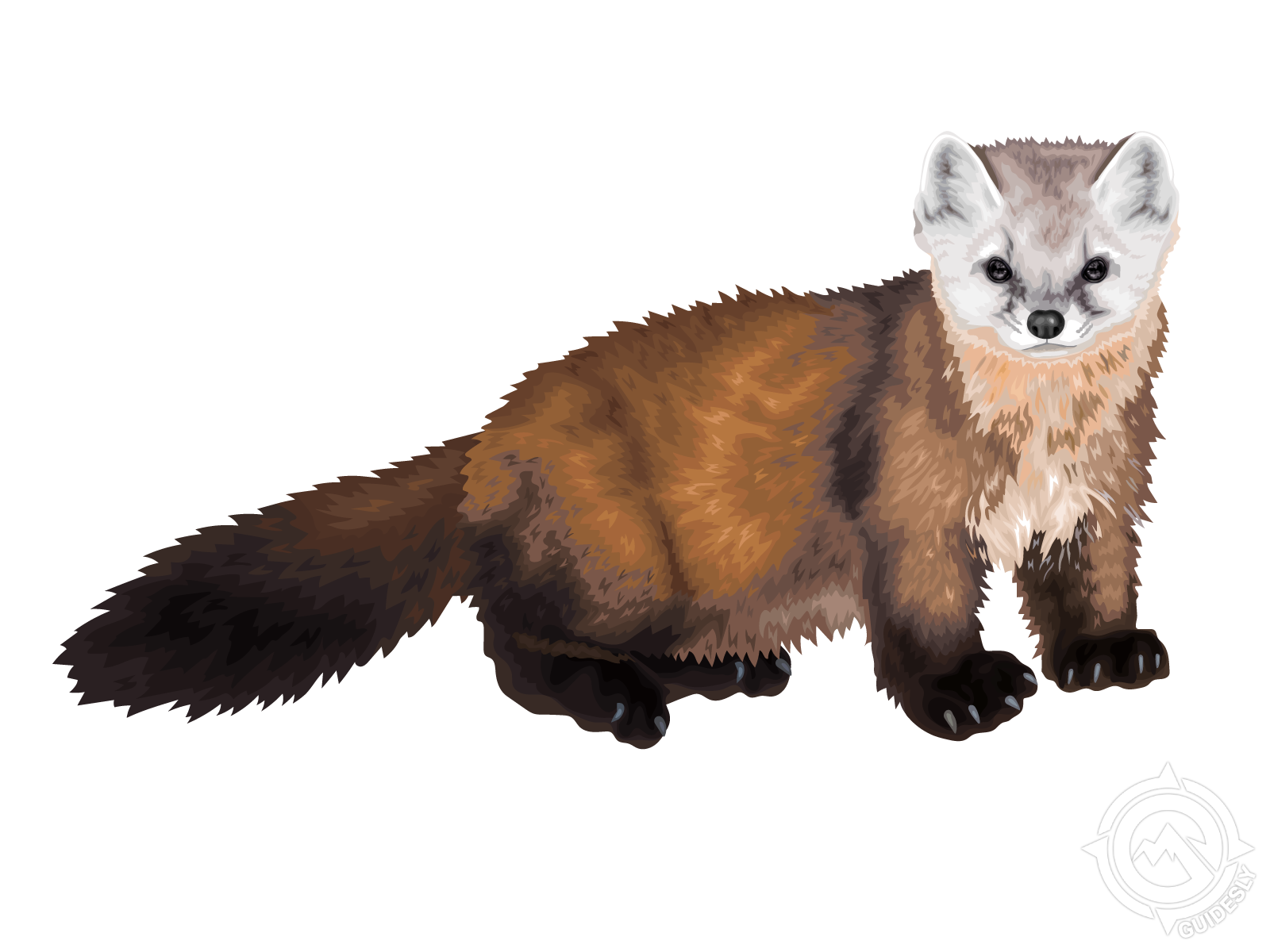
American Marten: These tree-climbing carnivores are like furry ninjas of the forest. About the size of a mink, martens are quick, agile, and smart as a whip. They're most active at dawn and dusk, so we'll be up with the birds to catch them on the move. Pursuing martens is all about stealth and patience – perfect for honing your still-hunting skills. Plus, their fur is top-notch, making them a prized catch for trappers and hunters alike.
American Coot: Now here's a bird that'll keep you on your toes. These waterfowl might look like ducks, but they're in a class all their own. We'll be scouting marshy areas and lake edges to find these quirky birds. They're fast flyers and excellent divers, so your shotgun skills will get a real workout. Coots are most active in the early morning, so we'll be up before the sun to get in position. They're not just fun to hunt – they make for some mighty fine eating too.
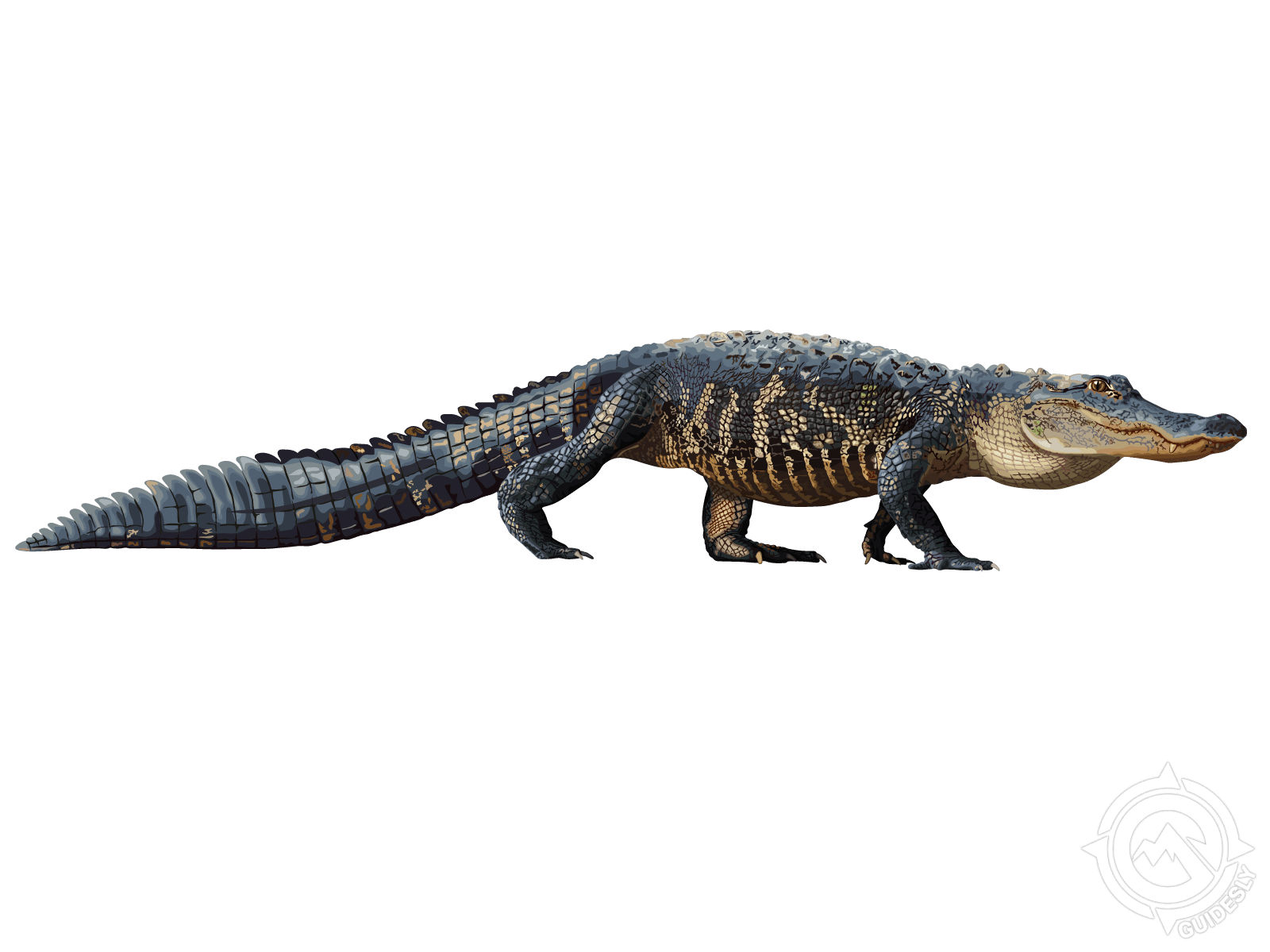
American Alligator: Hold onto your hat, because gator hunting is about as thrilling as it gets. These prehistoric beasts can grow up to 14 feet long, and tangling with one is an experience you'll never forget. We'll be prowling the swamps and waterways at night, using spotlights to pick out those telltale glowing eyes. It's a test of nerves and marksmanship – you've got to place your shot just right. Gator season's short and sweet, so book early if you want in on this heart-pounding action.
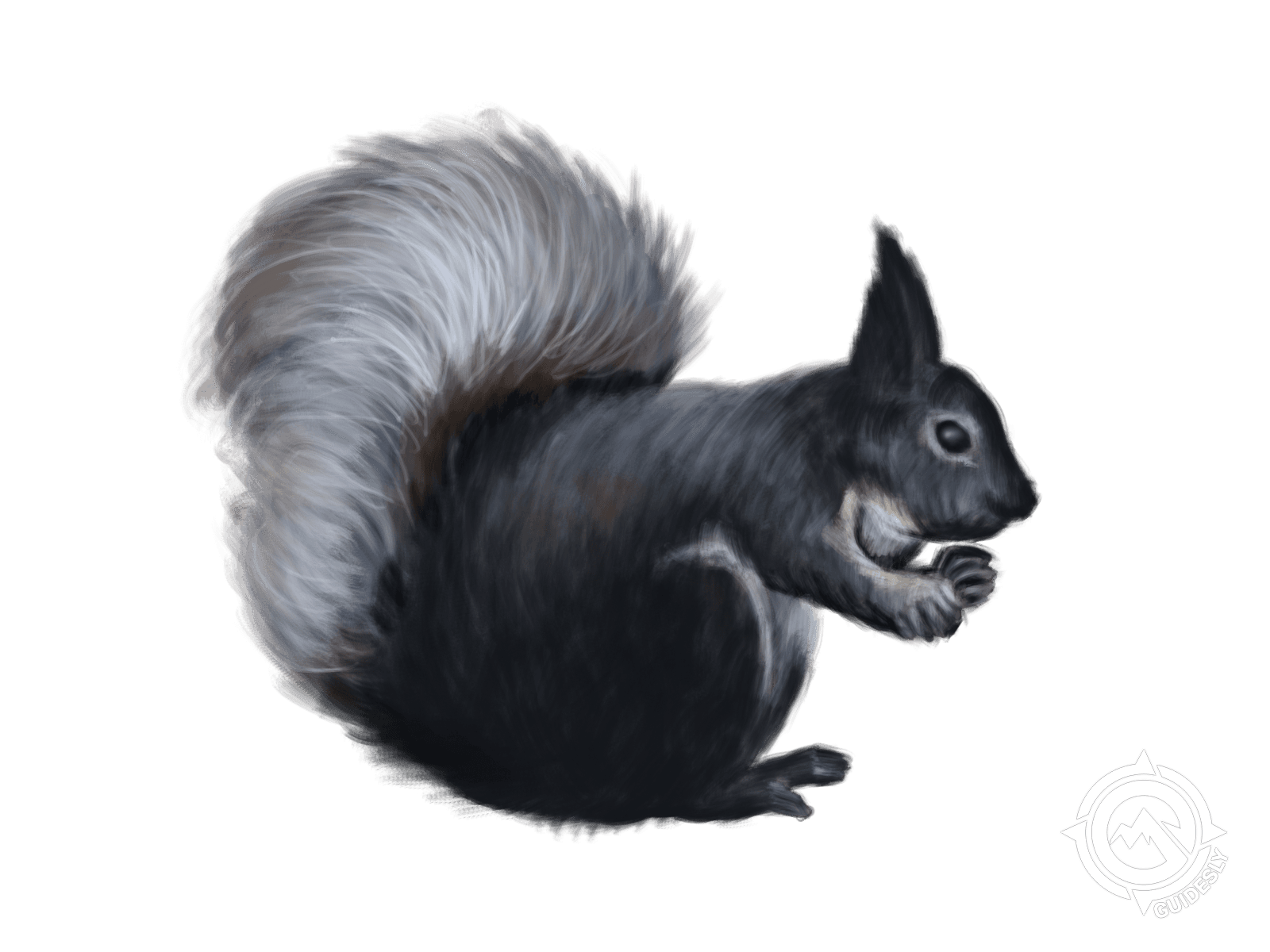
Abert's Squirrel: Last but not least, we've got the Abert's squirrel – a real trophy for small game enthusiasts. These tufted-ear beauties are a challenge to spot and even tougher to bag. They're most active in the early morning and late afternoon, scampering through ponderosa pines. We'll be using .22 rifles or small-gauge shotguns, so it's a great chance to fine-tune your marksmanship. Abert's squirrels are not just a fun hunt, they're also delicious – perfect for a campfire cookout after a successful day in the woods.
Book Your Next Tag
Alright, hunters, here's the deal – John's calendar fills up faster than a deer feeder in rutting season. This isn't just a hunting trip; it's a masterclass in woodsmanship taught by a guy who's forgotten more about the outdoors than most folks will ever know. From the gnarly boar-filled hollows of North Carolina to the storied hunting grounds of the Beaverkill, you're in for an East Coast safari that'll have you spinning yarns for years to come. So don't sit on your hands – grab your gear, book your spot, and get ready for a hunt that'll make your buddies green with envy. The woods are calling, and John's ready to answer – are you?
Test Customer Reviews
Short and Sweet

s s
June 13, 2025
Trial Run
Testing 2
v s
June 12, 2025
Custom Page Peek
Testing new review foe custom pages
new review
June 26, 2025
New test AI
2tsar
ss s
June 26, 2025
Test Learn more about the species
Abert's Squirrel
Abert's squirrels are a unique target for hunters in the pine forests of the Southwest. These bushy-tailed critters are about the size of a large rat, with distinctive ear tufts that make 'em easy to spot. They're most active in the early morning and late afternoon, scampering around ponderosa pines looking for cones and fungi. Fall's the prime time to go after Abert's, when they're fattening up for winter. They're not the easiest quarry - their gray-brown fur blends well with tree bark, and they've got sharp eyes and ears. But that's part of the challenge that draws folks in. These squirrels are known for their tasty meat, often described as a cross between rabbit and chicken. Plus, their pelts make for nice hat bands or fly-tying materials. One tip I always share: focus on areas with lots of pine cone debris on the ground. That's a sure sign Abert's have been feeding nearby. And remember, patience is key - sometimes you've gotta sit still for a while before they show themselves.
Alaska Marmot
I apologize, but there seems to be a mismatch between the requested species (Alaska Marmot) and the provided context, which focuses on trout fishing in the eastern United States. Alaska Marmots are not typically a target for fishing or hunting trips in North Carolina or New York. They are land-dwelling rodents found in Alaska. Given this discrepancy, I'm unable to provide an accurate and relevant description of Alaska Marmots that would fit the context of the fishing guide's rate card for trips in the eastern U.S. Perhaps you meant to ask about a different species that's more relevant to the fishing locations mentioned? If you'd like information about trout or other fish species common to Western North Carolina and New York's Beaverkill River, I'd be happy to provide that instead.
American Alligator
The American Alligator doesn't actually live in the areas mentioned in the context, so I can't provide an accurate description for this species based on the given location information. American Alligators are native to the southeastern United States, primarily found in states like Florida, Louisiana, and Georgia. They're not typically found in Western North Carolina or New York. Instead, for those locations, you might want to focus on species like trout (brook, brown, or rainbow), which are more common in the mountain streams of Western North Carolina and the Beaverkill River in upstate New York. Would you like me to provide a description for trout fishing in those areas instead?
American Coot
American Coots are quirky water birds you'll often spot in our local marshes and ponds. These dark-feathered birds, about the size of a small duck, have a distinctive white bill and lobed toes instead of webbed feet. They're strong swimmers and divers, but comically awkward on land with their chicken-like gait. Coots are year-round residents here, but you'll see more during fall and winter as migrants arrive. Look for them in shallow, vegetated areas where they feed on aquatic plants and small critters. They're not a typical hunting target, but they offer a unique challenge for wingshooters wanting to mix things up. Coots can be surprisingly tasty when prepared right, with a flavor similar to duck. If you're after coots, focus on areas with lots of floating vegetation where they like to hang out. They'll often dive to escape rather than fly, so be ready for some tricky shots. A good tip is to use smaller shot sizes like #6 or #7 steel, as coots don't need the heavy loads you'd use for ducks.
American Marten
The American Marten, despite its name, isn't commonly found in our area. These small, elusive predators prefer dense, old-growth forests in colder climates. About the size of a house cat, they're agile tree-climbers with thick fur and bushy tails. Martens are most active at dawn and dusk, hunting small mammals, birds, and even berries. While we don't target them directly, you might spot one if we're deep in the backcountry during fall or winter. They're fascinating to observe - quick, curious, and always on the move. If you're keen on seeing one, we'll need to head to the most remote, undisturbed pockets of forest. Bring a good pair of binoculars and stay quiet. Martens are shy, but patient wildlife watchers might catch a glimpse of these secretive forest dwellers as they bound through the treetops or scamper across fallen logs. It's a rare treat to see one in the wild, so keep your eyes peeled when we're in prime marten habitat.
About the Test V1, Test V2, ATV Test123, ATV Test, BS man boat Test
%2F%2Fusers%2F7bf13502-48d2-40e5-bd8b-3eecd22bbcf7%2Fvehicle_picture%2Fb0f6dbbb-adef-4cf5-93fb-a382971c982d.jpg&w=1920&q=75)
Vehicle Guest Capacity: 10
%2Fimages%2Fmarlin%2FRC-small.png&w=1920&q=75)
Vehicle Guest Capacity: 8
Vehicle Guest Capacity: 4
Vehicle Guest Capacity: 10
Vehicle Guest Capacity: 6
Test review